Lima Alpha Uniform
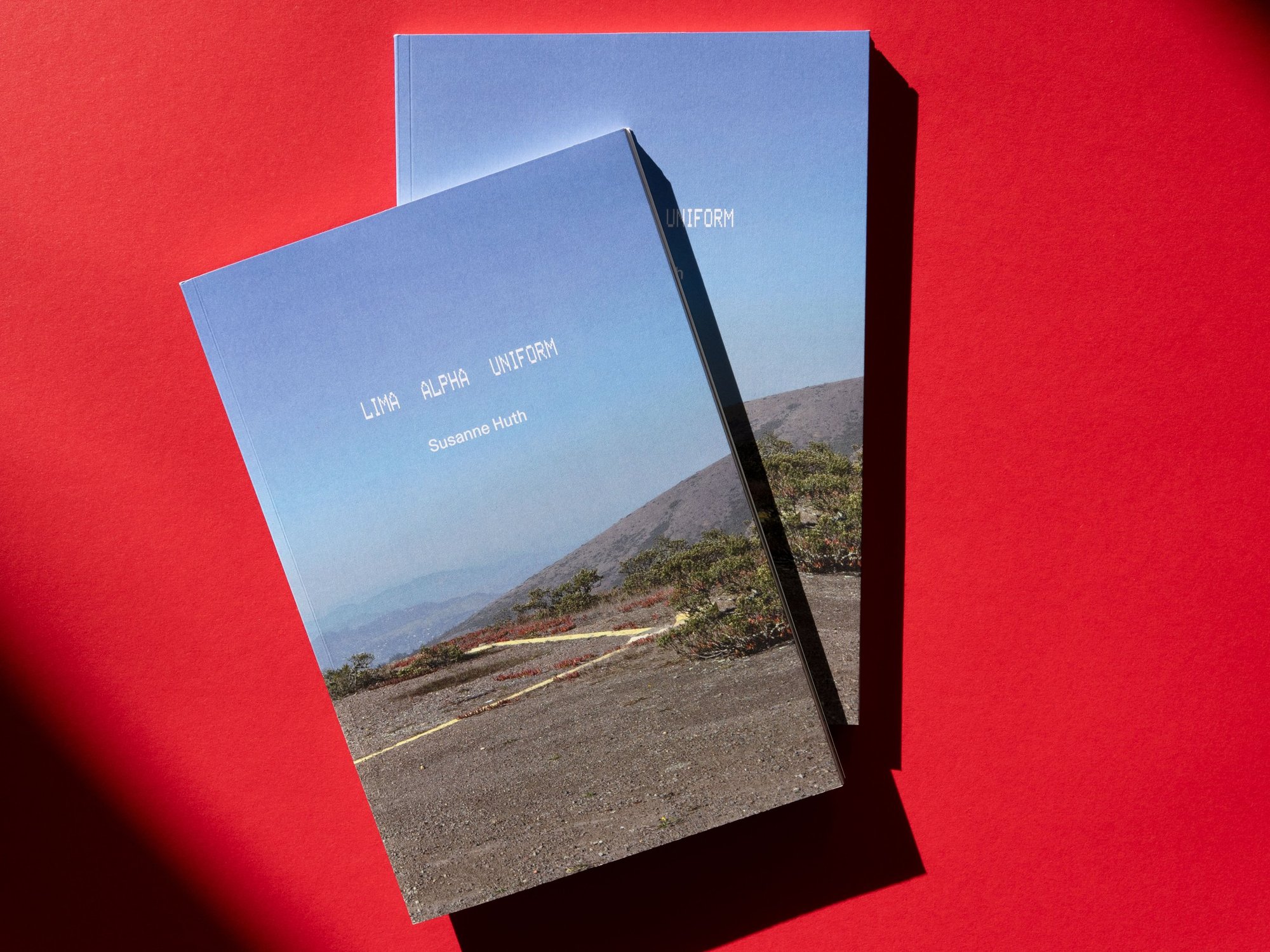
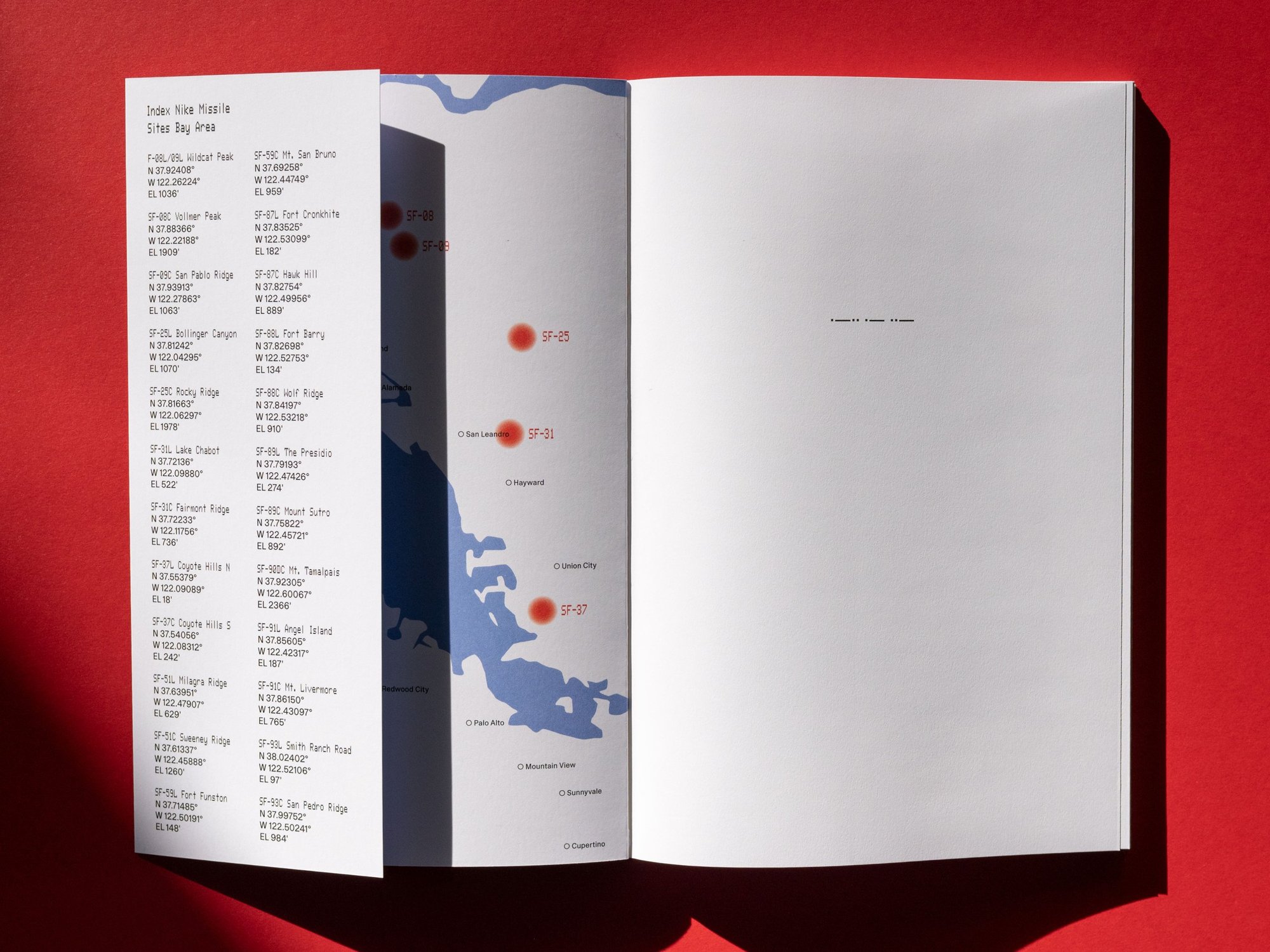
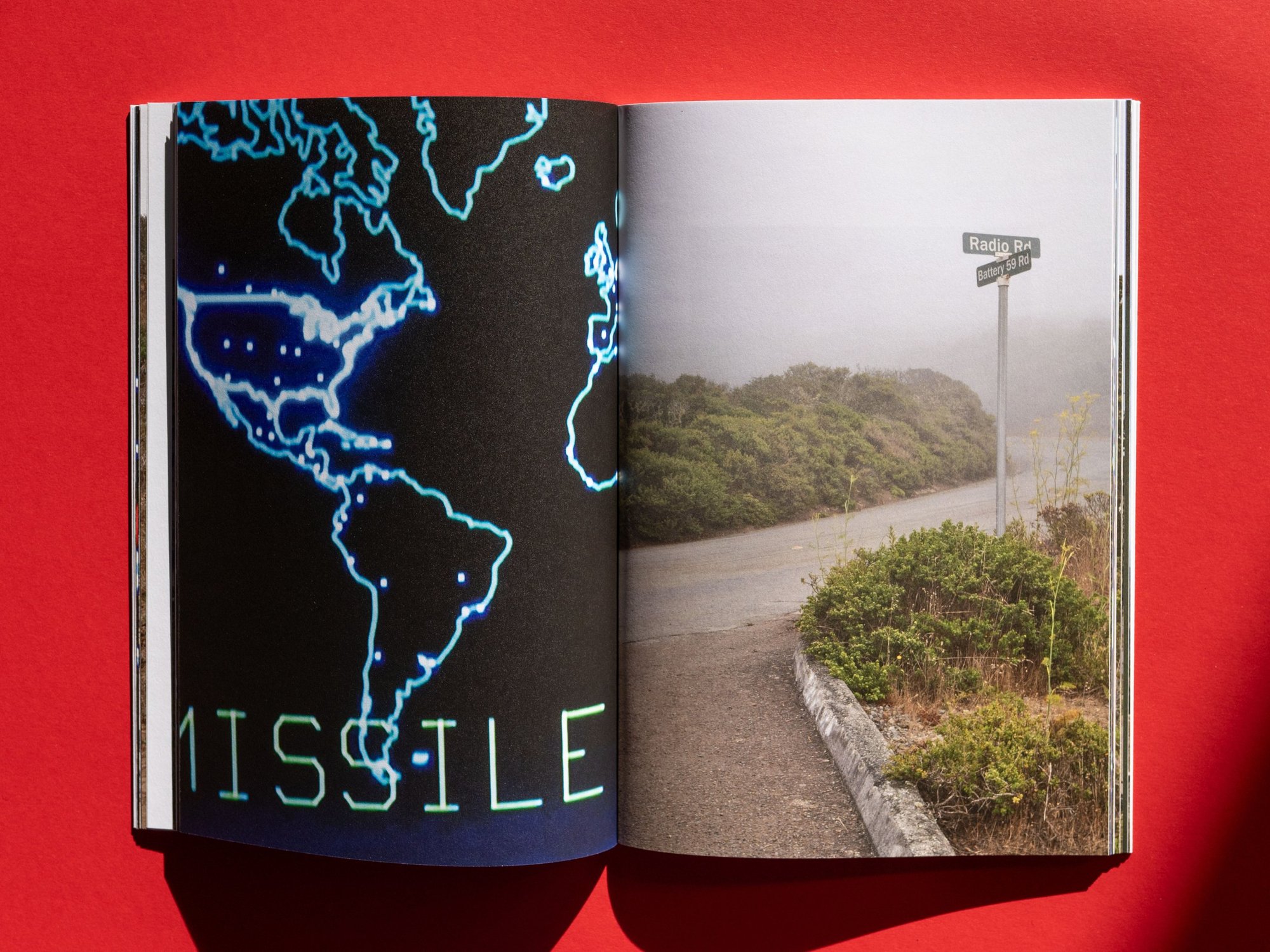
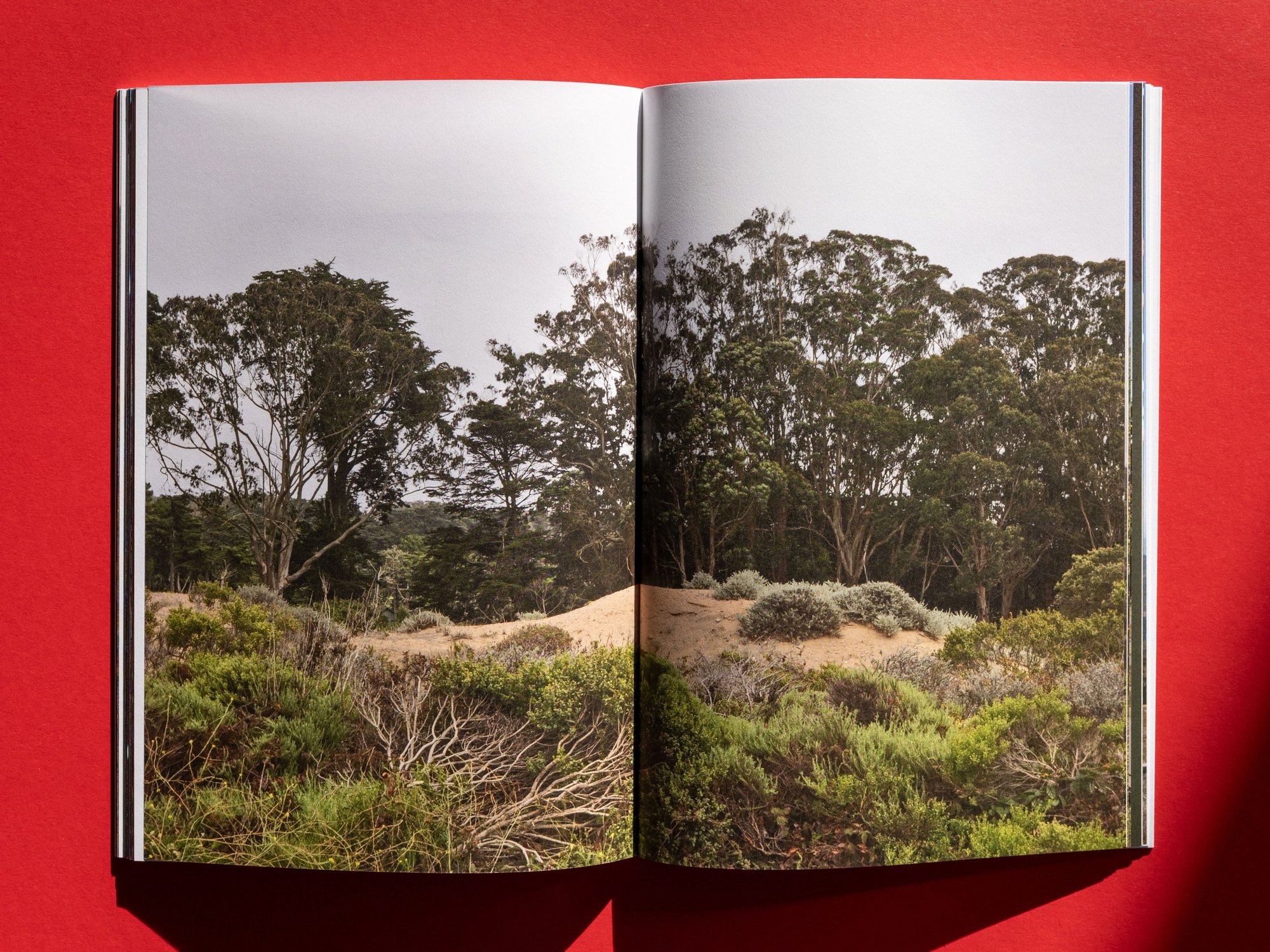
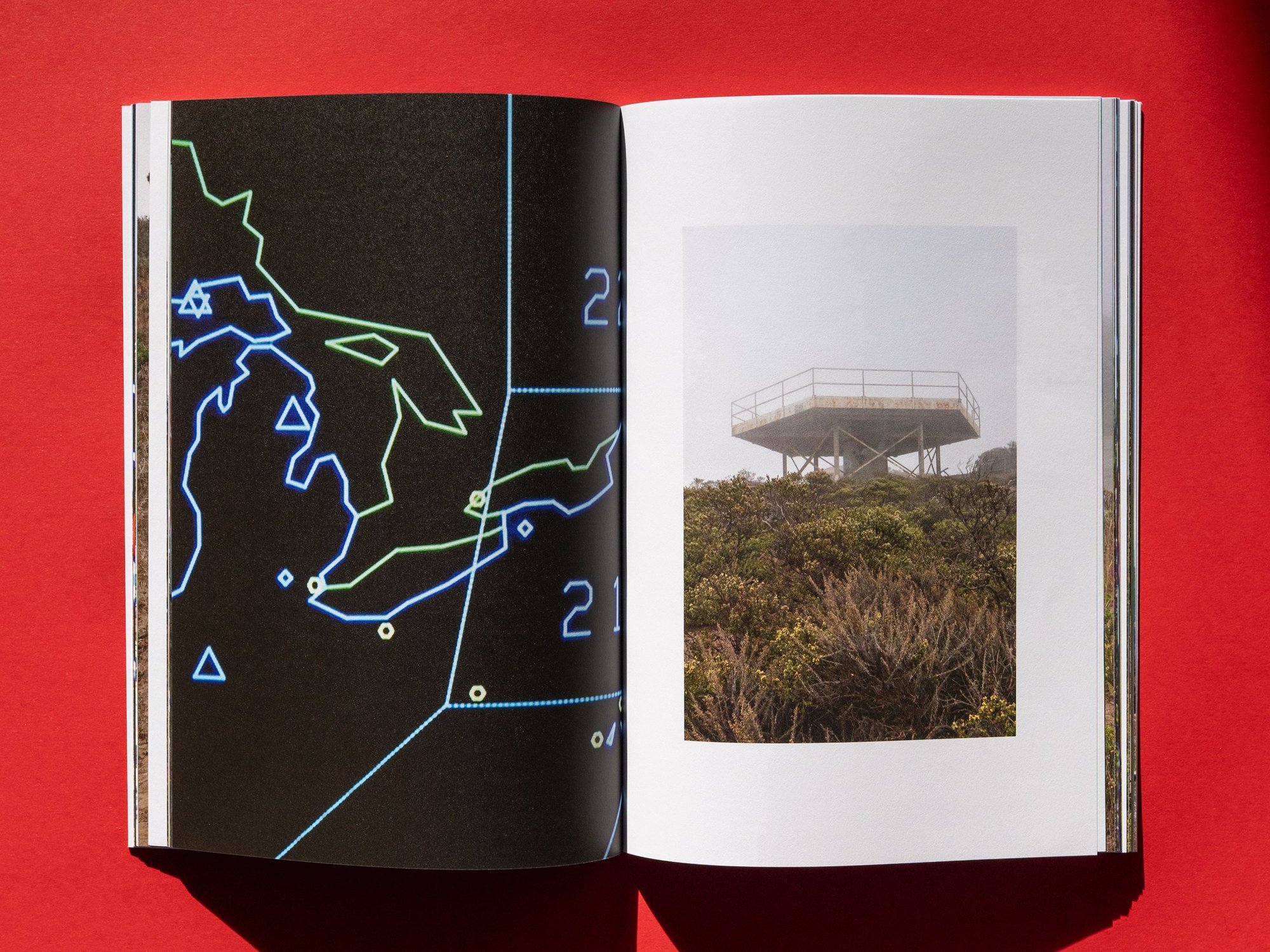
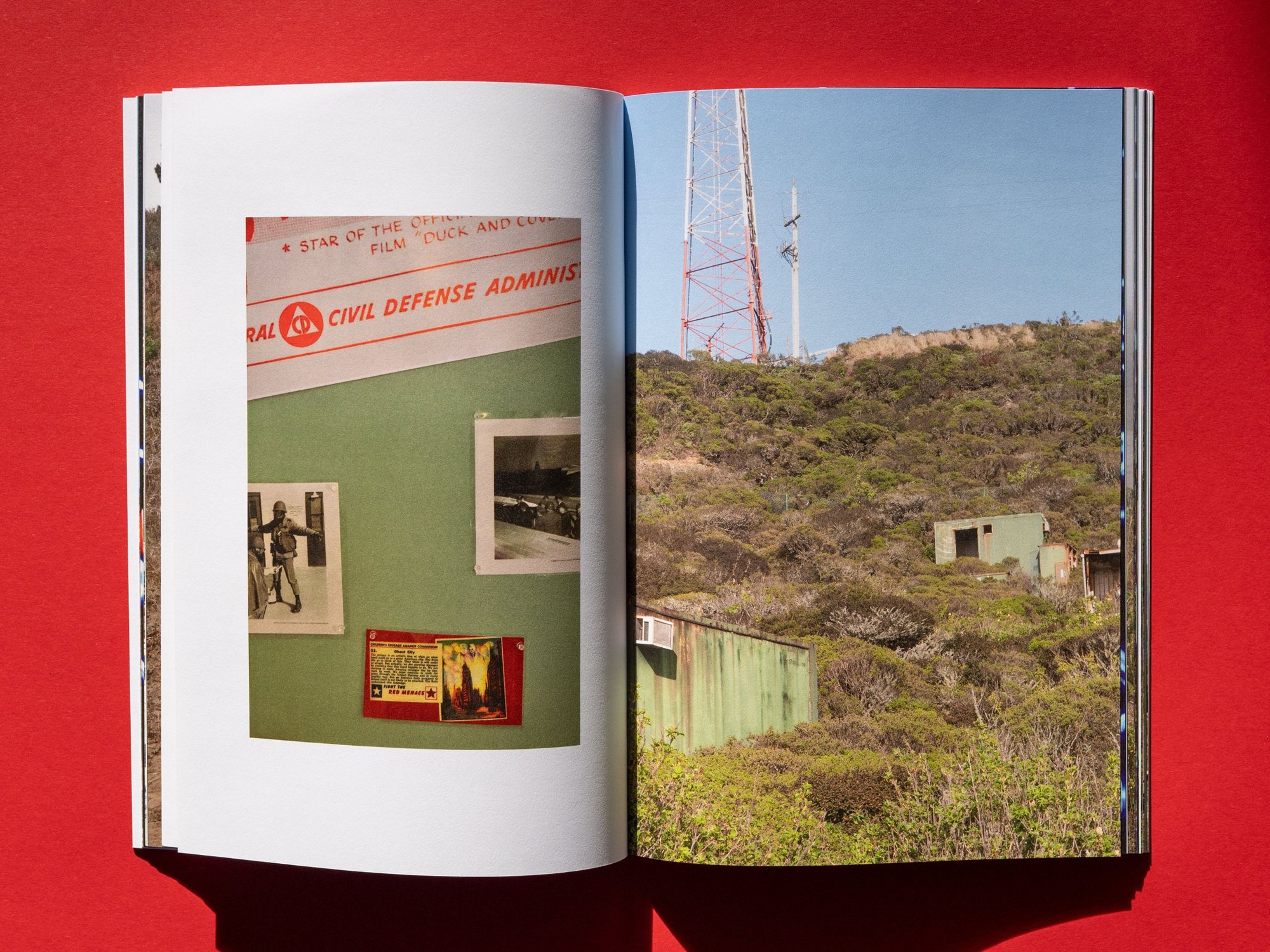
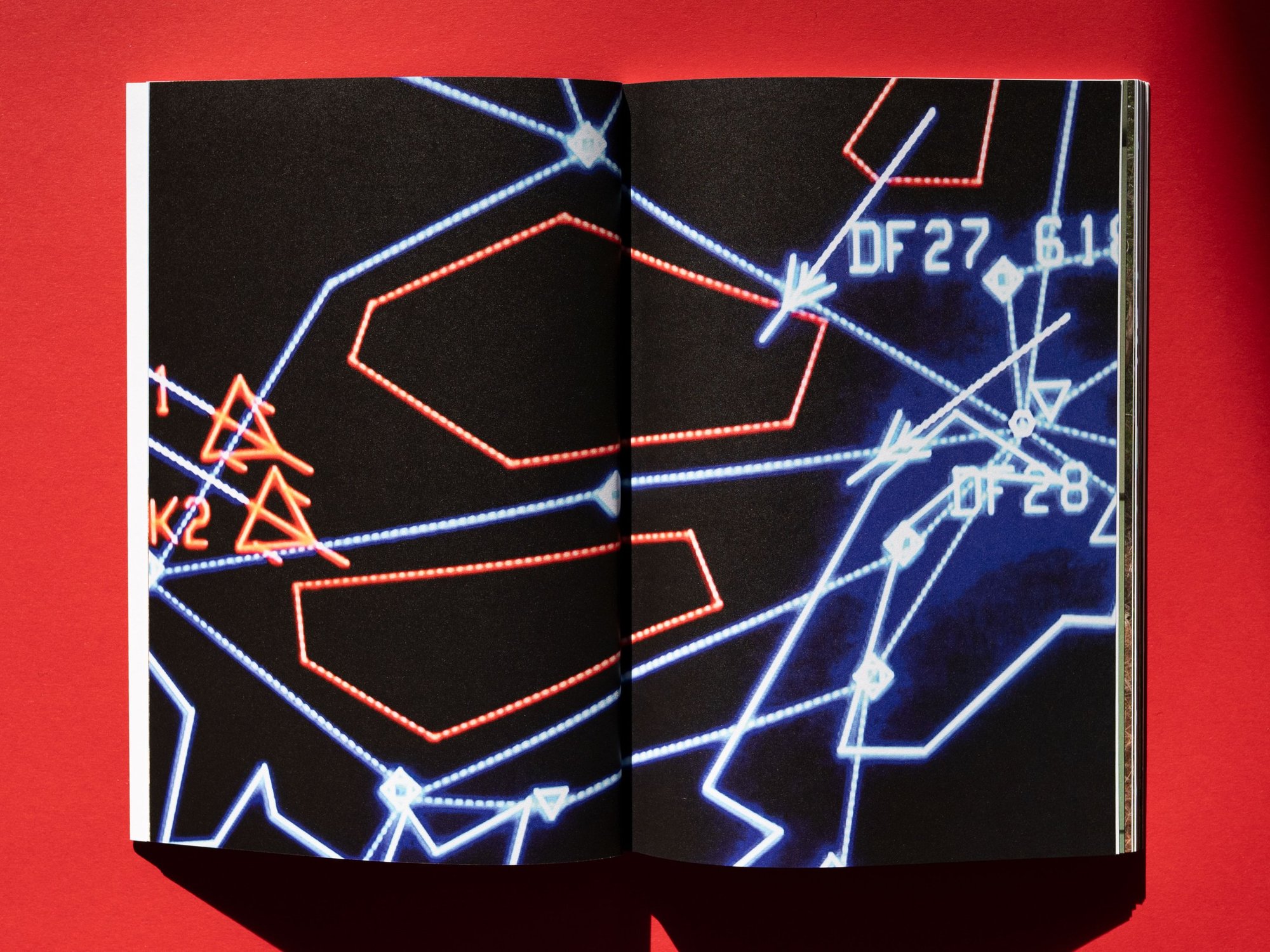
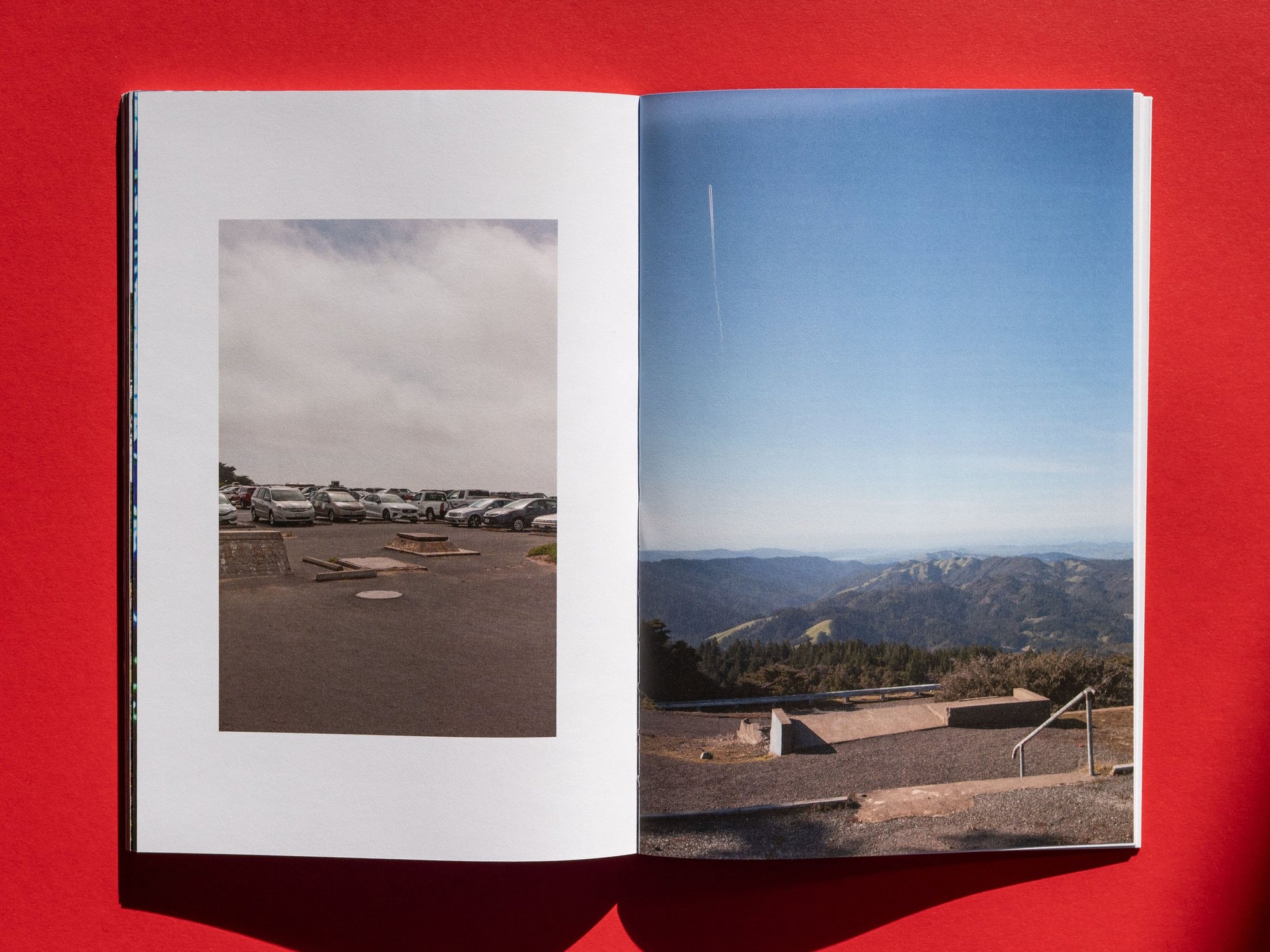
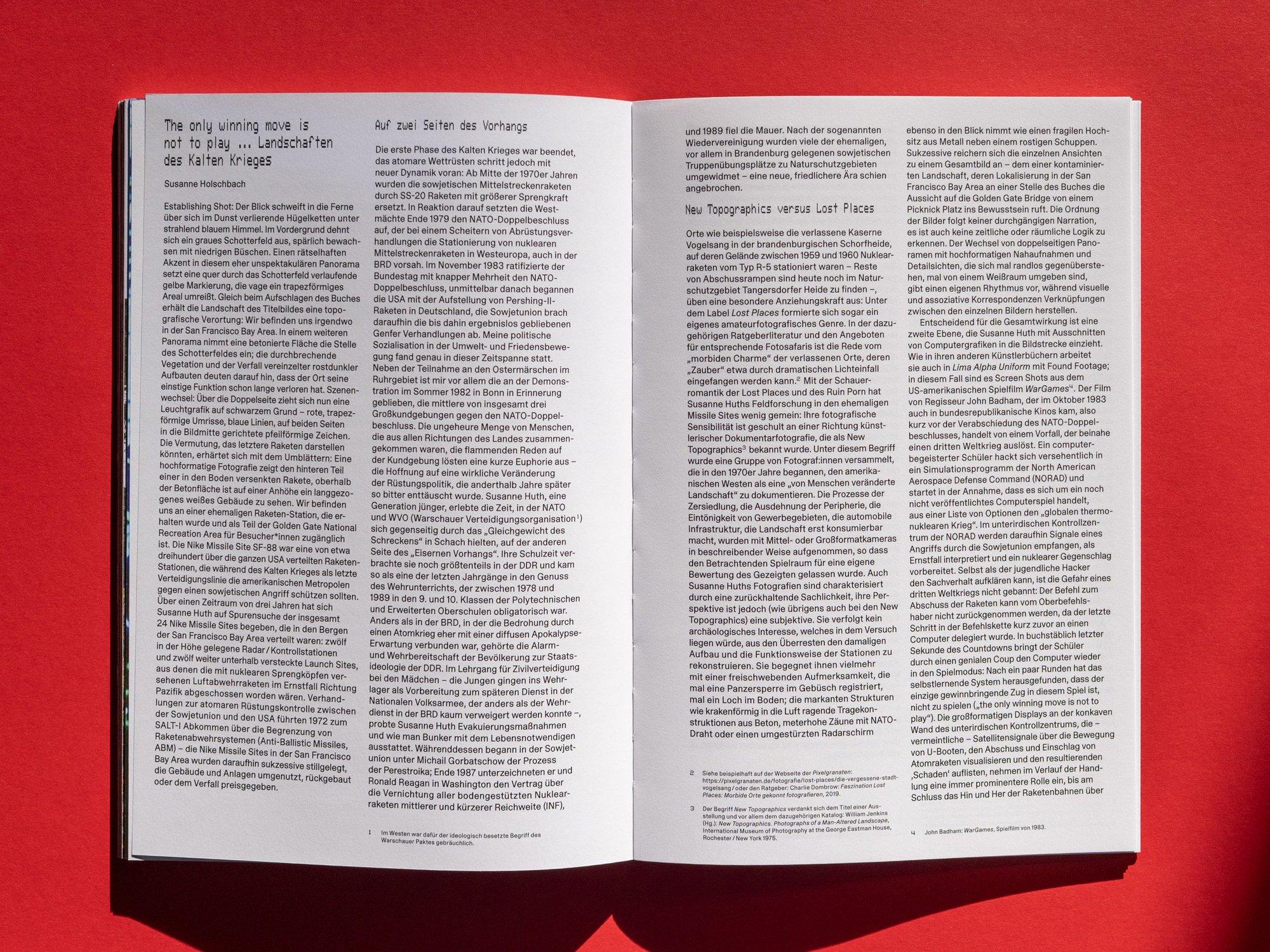
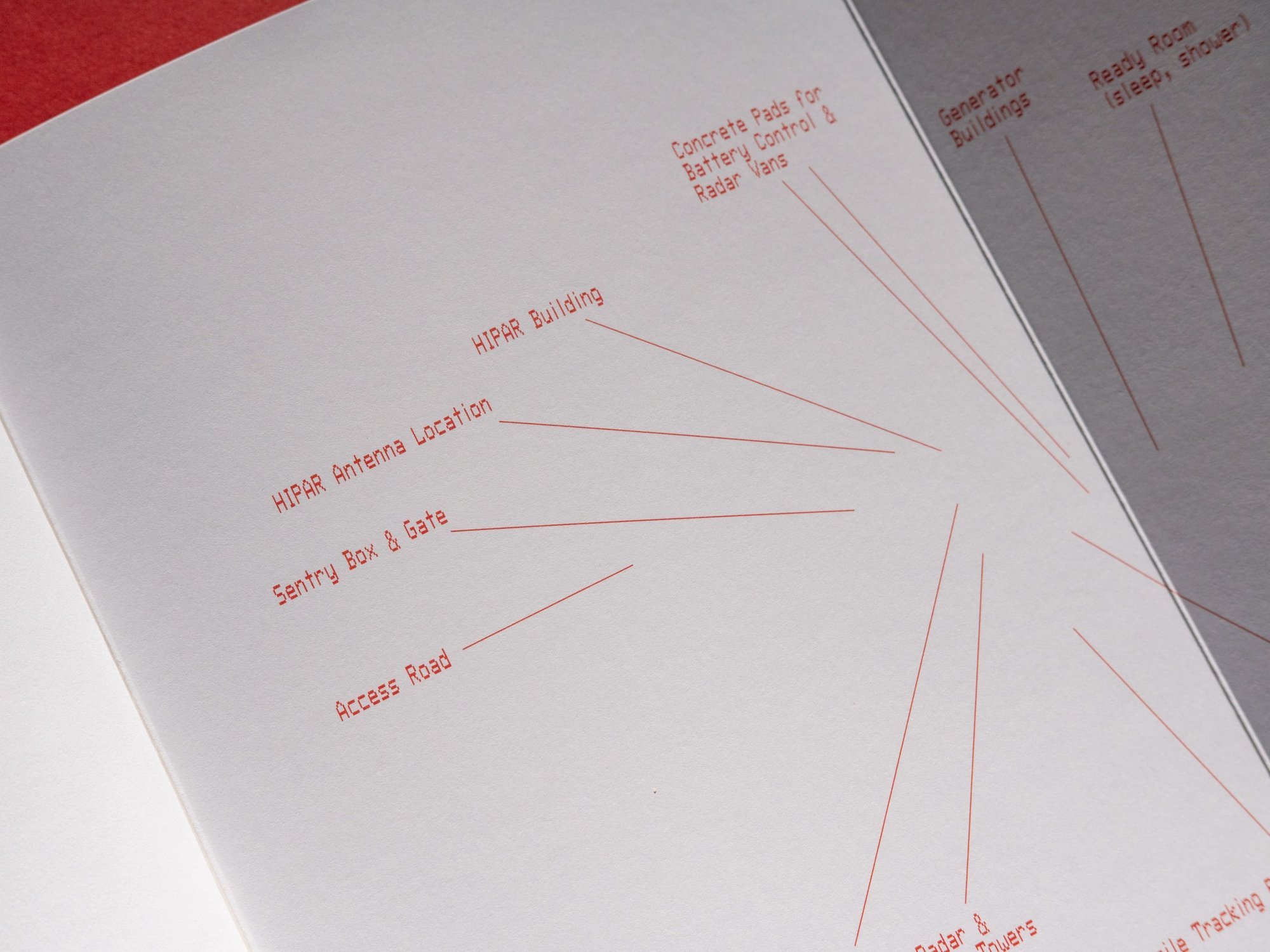
In her artist’s book Lima Alpha Uniform, Susanne Huth explores the Nike Missile Sites in the San Francisco Bay Area – missile stations that were meant to protect American metropolises from attack during the Cold War.
Over three years, she photographed the now decommissioned facilities, which were once scattered across the mountains of the region. Some of them served as radar and control stations at high elevations, while the others, hidden deeper in the terrain, were built as launch sites. From there, in an emergency, anti-aircraft missiles armed with nuclear warheads could have been fired towards the Pacific. A launch protocol to be followed with precision would have begun with the message “Launch”: the order to fire the missiles, which is spelled out in the NATO alphabet. The first three words of this code are “Lima Alpha Uniform”.
As in her other artist’s books, Huth also works in Lima Alpha Uniform with edited found footage. A second media layer alongside the photographed sites is created by excerpts of computer graphics from John Badham’s 1983 film WarGames. The result is a haunting portrait of a landscape marked by the logic of the nuclear arms race. In view of current debates about rearmament and nuclear deterrence, Huth’s book is of disquieting relevance.